
Germany, as Europe’s largest industrial economy, thrives on the innovation, productivity, and competitiveness of its engineers. Despite continued high demand, the labor market currently presents a mixed picture: on one hand, historically high numbers of job openings highlight the ongoing need for skilled professionals; on the other hand, economic adjustments and demographic shifts are creating new dynamics in hiring trends.
This makes a strategically crafted résumé, tailored to the specific requirements of the German job market, more important than ever.
Why a Well-Designed Engineer Résumé Matters in Germany
Unlike many other professions, engineering careers in Germany are heavily shaped by industry demand, demographic change, and international mobility. The balance between scarcity and competition makes engineer résumés a decisive factor in hiring outcomes.
- According to the latest VDI/IW Engineer Monitor, Germany still had over 106,000 unfilled engineering positions in mid-2025, underscoring persistent demand even in a cooling labor market.
- Simultaneously, the number of unemployed engineers has risen to levels not seen since systematic data collection began in 2011.
- Looking ahead, projections suggest Germany could face a shortage of nearly 390,000 engineers by 2029 if demand continues to outpace supply.
In short, writing a résumé that stands out is more critical today than it was a decade ago.
Understanding the German Engineering Job Market
High Demand, Ongoing Shortages
Despite periodic fluctuations in economic growth, data consistently point to a long-term need for engineers across multiple disciplines, including civil, mechanical, electrical, and IT-related fields. Hiring trends show that:
- Engineering vacancies remain high even when other sectors slow down.
- Certain specialties, such as energy and electrical engineering, construction and architectural engineering, and mechanical/automotive engineering, show especially acute recruitment gaps.
- The shortage of qualified personnel contributes to an annual economic loss estimated between €9 billion and €13 billion.
This means your résumé must be engineered, not generic, to reflect both technical mastery and measurable outcomes.
The Engineer Résumé vs. CV in Germany
In Germany, the term “Lebenslauf” (résumé) is universally understood across industries, and hiring managers expect:
- Clear structure and readability
- Precise demonstration of accomplishments
- Relevance to the job description
German employers may expect more detail than typical U.S. résumés, especially for senior roles, but they still favor conciseness and clarity over overly lengthy CV formats. International candidates often succeed with English-language résumés, particularly in technical or global teams, but including a German version increases local relevance.
How to Structure Your Engineer Résumé for the German Market
1. Contact Information and Professional Title
Begin with your essentials:
- Full name
- Professional title (e.g., Mechanical Engineer / Maschinenbauingenieur)
- Email, phone, LinkedIn, and portfolio/GitHub (if relevant)
In Germany, including a professional profile link signals organization and accessibility.
2. Career Summary / Professional Profile
This short section should summarize your engineering identity, experience, and specialization.
Example: Electrical engineer with 7+ years of experience in power systems, automation, and energy optimization. Proven track record of improving operational efficiency while ensuring regulatory compliance in multidisciplinary teams.
Given Germany’s engineering focus, highlighting cross-disciplinary impact and compliance skills can set your résumé apart.
3. Core Technical Competencies
List keywords and tools relevant to jobs you’re targeting. This not only helps human recruiters but also improves your résumé’s visibility in ATS systems used by many German companies. Suggested categories:
- Engineering software & tools
Design, simulation, and testing methods - Regulations and quality standards (e.g., DIN, ISO)
- Languages (German and English proficiency levels)
4. Professional Experience with Achievement Focus
German employers value measured, quantified achievements. Whenever possible:
- Start with what you solved or improved
- Follow with the methods or technologies used
- Close with measurable results
Example: Developed a predictive maintenance model that reduced unplanned machine downtime by 18% over 12 months.
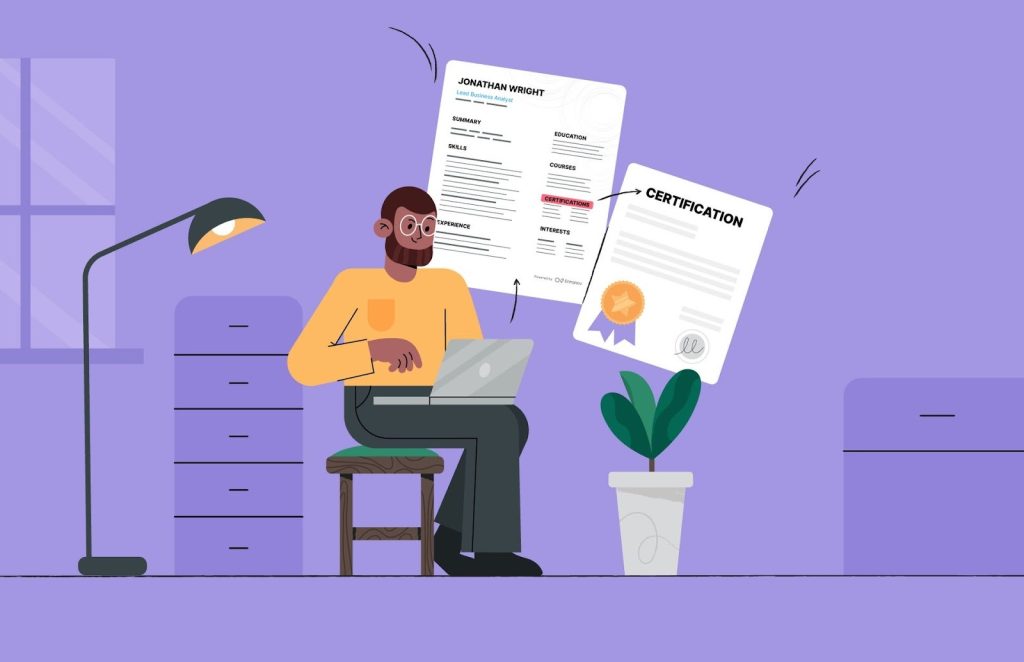
5. Education, Certifications & Licenses
In Germany, formal credentials and professional certifications are especially respected. Typical entries include:
- Degree and institution
Thesis or project focus - Certifications (e.g., TÜV, PE equivalents)
Showing professional development signals a commitment to engineering excellence.
6. Engineering Projects & Research
Especially for early-career engineers or international candidates, listing well-structured projects demonstrates practical contribution and initiative.
Engineer Job Opportunities and Income Trends in Germany
Being aware of compensation trends and market dynamics further strengthens your résumé:
- Engineers in Germany are among the highest-paid professionals in the labor market, with a median monthly income notably above many other specialist roles.
- For example, median monthly wages for German MINT (STEM) experts, including engineers was over €6,400.
- For example, median monthly wages for German MINT (STEM) experts, including engineers was over €6,400.
- Income levels differ by field:
- Civil engineers earned around €5,470
- Technical research roles approached nearly €7,000 monthly.
Demographic Trends Impacting Engineering Careers
Germany’s engineering workforce is also shaped by broader demographic forces:
- It’s estimated that up to 700,000 engineers will need replacement by 2029 due to retirement alone.
- Universities are struggling to attract new students in some core engineering fields, particularly mechanical and process engineering, where enrollment has significantly declined in recent years.
- Meanwhile, Germany is increasingly relying on international talent to fill gaps, with the number of foreign engineers growing significantly over the last decade.
German Language and Résumé Relevance
Although many engineering roles, especially in tech and multinational companies, are conducted in English, knowledge of German remains an advantage for broader integration into the job market and client-facing roles. For many technical engineering positions, however, English-only résumés are accepted, particularly in urban tech hubs and international R&D teams.
Navigating Challenges: Market Fluctuations and Employer Expectations
Even in a strong engineering economy like Germany’s, job seekers can encounter challenges:
- Recent trends show that engineering unemployment has increased, signaling greater competition for available roles.
- Some engineers report difficulty securing offers despite strong qualifications, highlighting the importance of résumé clarity and cultural fit.
Conclusion: Engineer Résumé as a Strategic Career Accelerator
In Germany’s evolving engineering landscape, your résumé is more than a summary; it’s a tool that must strategically communicate your technical excellence, professional growth, and cultural fit. By aligning your résumé with German market realities, demographic trends, and industry expectations, you set yourself up for greater visibility and success
Take the Next Step in Your Engineering Career
Your engineering expertise deserves to be presented with the same precision, structure, and clarity that you apply to your technical work. In Germany’s competitive and evolving engineering job market, a strategically crafted résumé can be the difference between being overlooked and being shortlisted. At Engineering-Maps.com, we help engineers transform their experience, skills, and projects into high-impact résumés aligned with German industry standards, ATS requirements, and real hiring expectations.