
Engineering projects around the world
Engineering Projects Around the World | Explore Global Mechanical & Civil Projects
Engineering projects shape our cities, fuel economic growth, advance sustainability, and redefine how societies function. From towering bridges to renewable energy grids and autonomous transport systems, mechanical and civil engineering is the backbone of modern civilization.
Germany, one of the world’s leading industrial and technological nations, stands at the forefront of engineering innovation. Its engineering expertise influences developments not just in Europe but across the globe. At Engineering Maps, we dive into the most influential engineering projects worldwide, with a focus on how German excellence is driving global trends in infrastructure, sustainability, mobility, and resilient design.

German Mega Infrastructure: Building Systems That Move Nations
Germany is home to some of Europe’s largest and most transformative infrastructure projects, combining engineering precision with long‑term strategic planning.
Berlin Brandenburg Airport (BER)
After years of meticulous design and phased construction, Berlin Brandenburg Airport now stands as one of Europe’s most advanced air mobility hubs. Key features include:
- Capacity to serve ~40 million passengers annually
- Fully integrated baggage and passenger automation
- Seamless connectivity with Germany’s high‑speed rail network
BER reflects Germany’s approach to engineering that prioritizes efficiency, connectivity, and resilience.
Fehmarnbelt Fixed Link: Undersea Connectivity
Connecting Germany to Denmark via an 18 km undersea tunnel, the Fehmarnbelt Fixed Link stands out as one of the most ambitious transportation projects in Europe:
- Double‑deck tunnel for both cars and rail
- Expected to cut travel time between Hamburg and Copenhagen by nearly 2 hours
- Combines advanced geotechnical engineering with robust environmental protection measures
This project underscores Germany’s commitment to regional integration and cross‑border engineering excellence.
Powering Germany’s Future: Renewable Energy Systems
Germany’s Energiewende (Energy Transition) aims to drastically reduce carbon emissions while ensuring energy security through renewable infrastructure.
High‑Voltage Transmission Networks: Suedlink and Ultranet
The rapid expansion of renewable generation, especially in the north, has required the development of huge transmission corridors:
- Suedlink: ~700 km of subsea and underground high‑voltage direct current (HVDC) lines
- Ultranet: ~340 km corridor connecting wind power generation to industrial demand regions
- Expected completion: 2028, enabling cleaner energy flows nationwide
These networks are essential for integrating renewable generation into Germany’s power grid, reducing bottlenecks, and ensuring stability — a massive undertaking of civil and electrical engineering.
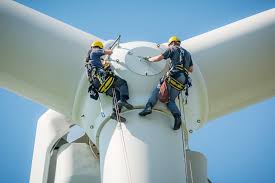
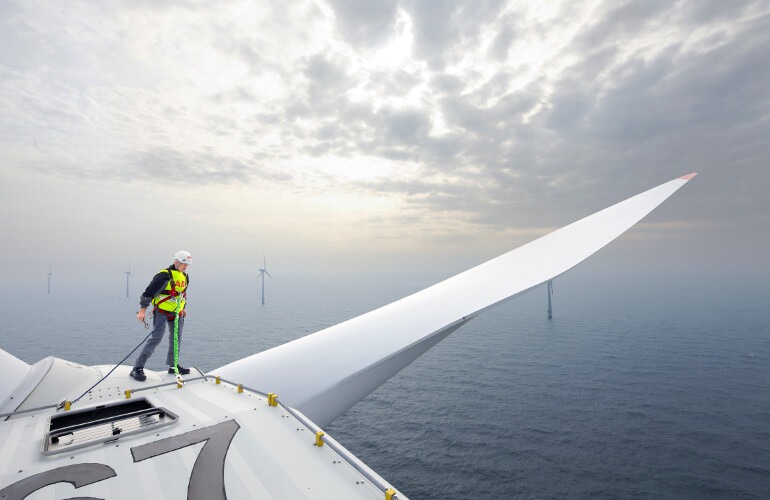
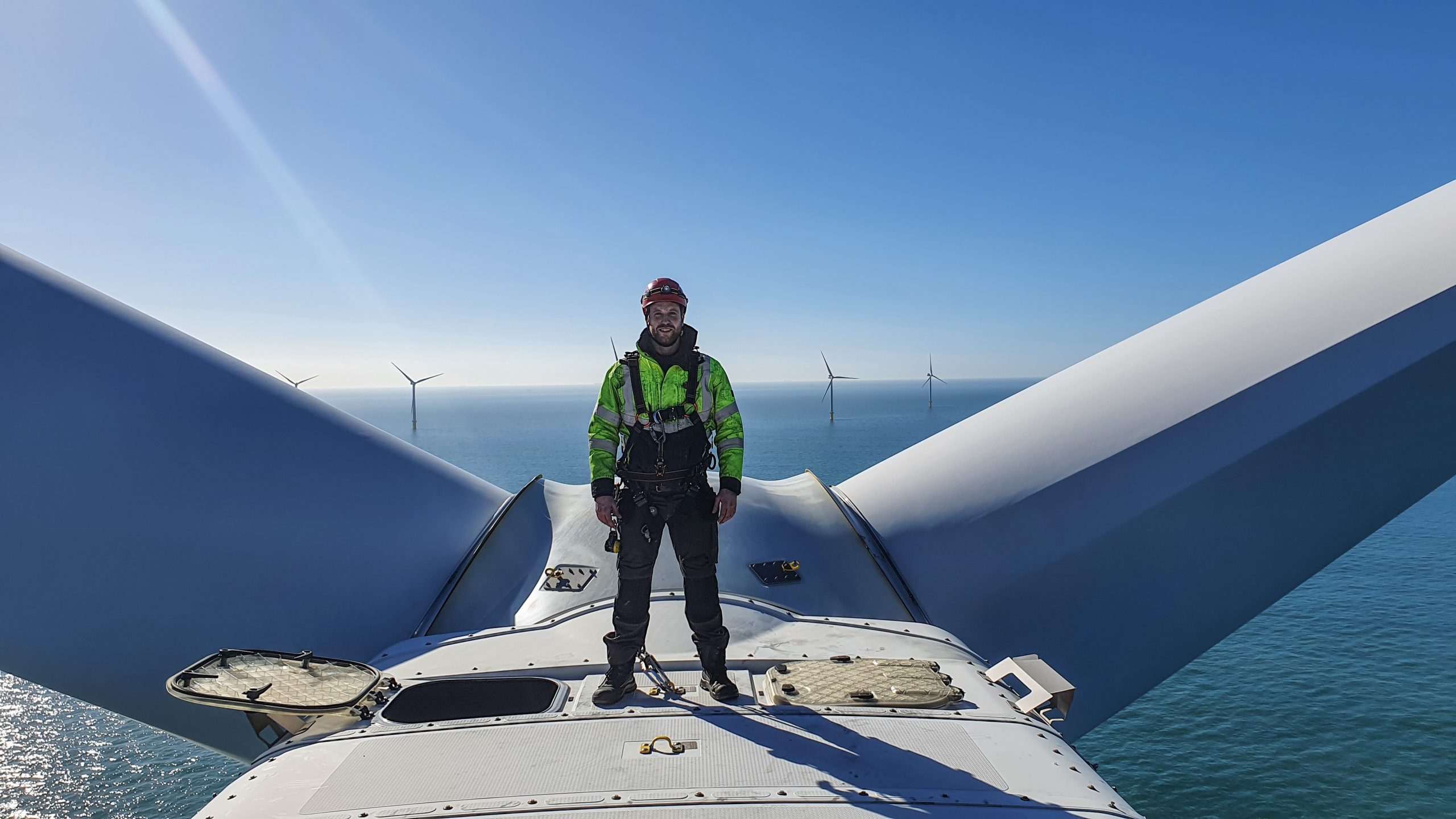
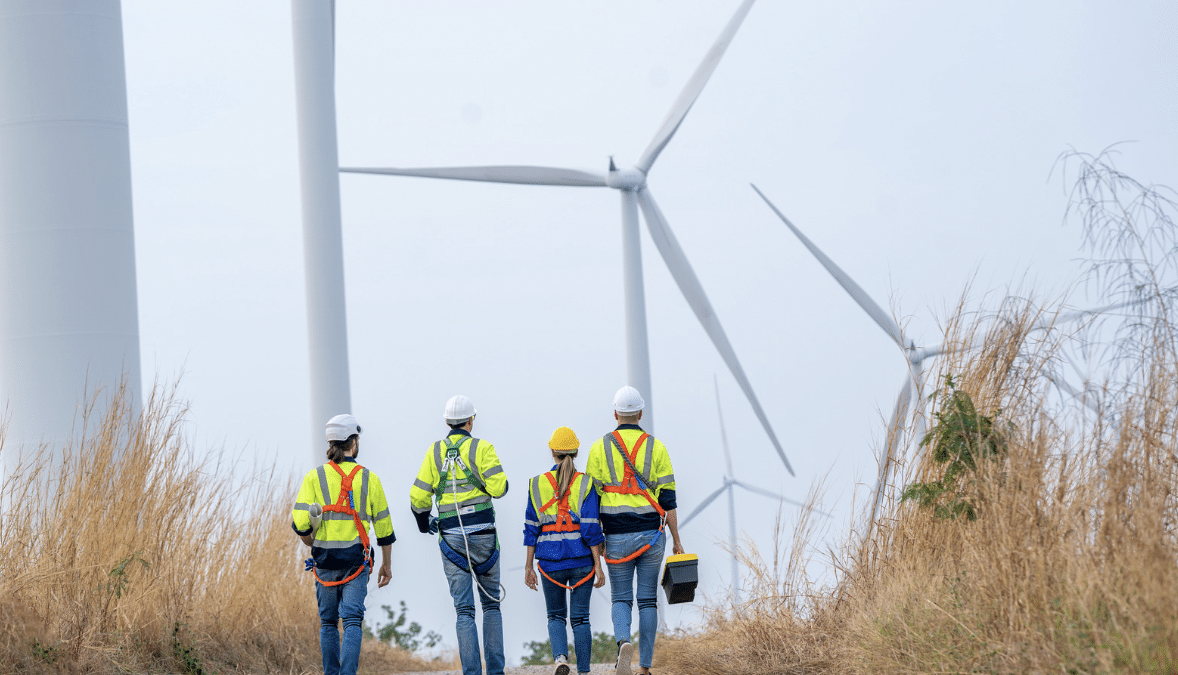
Offshore Wind Power: North Sea and Baltic Frontier
Germany is rapidly expanding its offshore wind capacity:
- Installed offshore capacity in 2025: ~7.7 GW
- Target capacity by 2030: 30 GW+
- Notable installations include Borkum Riffgrund 2 and Gode Wind clusters
These wind farms require extensive foundation engineering, subsea cabling, and logistics solutions, all hallmarks of sophisticated mechanical and civil coordination.
Urban Engineering: Creating Sustainable, Smart Cities
Urban engineering in Germany goes beyond infrastructure; it’s about designing cities that are intelligent, sustainable, and resilient.
Smart Mobility Initiatives
German cities are integrating digital systems to reduce congestion and emissions:
- IoT‑enabled traffic signal optimization in Berlin and Munich
- Electrified metro expansions across major urban centers
- Smart ticketing and integration across rail, bus, tram, and bike networks
The result: improved commuter experience, reduced travel times, and a measurable drop in urban pollution.
Green Urbanism and Energy Retrofit Programs
Cities like Freiburg and Hamburg lead in sustainable architecture and district energy systems:
- Retrofitting existing buildings with energy heat pumps
- High‑performance insulation and façade engineering
- Use of district heating from renewable sources
These projects exemplify how civil engineering supports climate goals while improving livability.
Transportation Engineering: Beyond Roads and Rails
Transportation engineering in Germany is not static — it’s evolving toward automation, electrification, and system intelligence.
High‑Speed Rail (ICE Network)
Germany’s Intercity‑Express (ICE) trains run over 10,000 km of track, connecting major cities with speeds exceeding 300 km/h. Highlights include:
- Dynamic braking systems for improved energy efficiency
- Real‑time safety monitoring using sensor networks
- Integrated train control systems for reduced headways
These systems combine mechanical engineering excellence with advanced digital control technology.
Autonomous and Electrified Road Infrastructure
Germany is piloting corridors for autonomous vehicles and expanding EV charging infrastructure:
- Dedicated lanes for self‑driving tests in Hamburg
- Multi‑tier charging networks along Autobahns
- Integration with renewable energy storage
German engineers are designing road infrastructure that embraces the future of mobility, not just its present.
Futuristic Engineering: Pioneering Tomorrow’s Systems Today
Germany is not only executing present‑day projects but also exploring engineering domains that will define future civilizations.
Hydrogen Networks and Fuel Infrastructures
Hydrogen is central to Germany’s decarbonization strategy:
- TransHyDE 2.0 initiative building hydrogen pipelines and storage
- Hydrogen blending with natural gas for peak demand balancing
- Heavy‑industry applications (steel, chemical) are reducing emissions
This requires overlapping mechanical, civil, and chemical engineering expertise to build safe, efficient delivery systems.
Vertical and Modular Construction
Germany is investing in modular, flexible housing solutions:
- High‑rise modular units with pre‑fabricated assemblies
- Reduced construction timelines and minimized material waste
- Integration of smart systems for energy management
This approach points toward high‑density, sustainable urban environments for future populations.
Engineering Resilience: Defending Communities and Systems
Resilience has become a core principle in modern engineering as climate extremes become more common.
Flood Protection and Water Management Systems
Germany’s rivers, the Rhine, Elbe, and Danube, require complex flood control structures:
- Reinforced river embankments and adjustable barriers
- Pumping stations with real‑time hydrologic monitoring
- Floodplain restoration to absorb stormwaters
These systems save lives, protect infrastructure, and exemplify how engineering mitigates environmental risk.
Storm‑Resistant Energy Grids
Offshore wind platforms and HVDC connections are engineered to withstand:
- Extreme weather pressure
- Peak wind conditions exceeding 200 km/h
- Rapid load fluctuation during storms
This is crucial for maintaining energy continuity in a changing climate.
Social and Humanitarian Engineering: Building for People
Engineering in Germany also serves social needs, focusing on equity, health, and community well‑being.
Clean Water and Sanitation Engineering
Urban centers employ advanced systems that:
- Filter and recycle stormwater
- Reduce wastewater discharge into rivers
- Deliver stable, high‑quality water supplies
This ensures public health while minimizing environmental impact.
Green Space Integration
Cities like Berlin convert former industrial land into vibrant green landscapes:
- Tempelhofer Feld, a former airport transformed into one of Europe’s largest public parks
- Expanded green corridors for urban wildlife
- Community spaces designed for social cohesion
Civil engineering expands beyond concrete and steel to incorporate environmental and social well‑being.
German Engineering Companies at the Global Forefront
Germany’s engineering prowess is driven by world‑renowned firms that build globally, exporting expertise and establishing international standards.
- HOCHTIEF AG: Major infrastructure projects across Europe, Asia, and the Americas
- Bilfinger SE: Provides industrial services, including sustainable retrofit and plant construction
- Schlaich Bergermann Partner: Structural design leaders known for elegant bridges and stadiums
These companies not only build projects but also influence global engineering best practices.
Market Dynamics and Challenges in the German Engineering Sector
While engineering remains a strong pillar of the German economy, the sector faces real challenges:
- Engineering orders declined in 2025 due to global economic headwinds
- Workforce shortages in specialized engineering disciplines
- Rapid shifts in energy policy demand new infrastructure solutions
Despite this, investments in clean energy, smart systems, and transport projects continue to drive sector growth.
Technological Advancements Shaping Modern Engineering
Germany’s engineering future is linked with technology:
- Building Information Modeling (BIM) optimizes design and execution
- Robotic fabrication speeds construction while improving precision
- AI and digital twins simulate performance before construction begins
These technologies reduce risk, cut costs, and boost innovation.
Germany’s Influence on International Engineering Trends
Germany’s engineering initiatives have a far‑reaching impact:
- Renewable energy grids serve as models for European integration
- Smart urban systems influence standards in Asia and North America
- Offshore and hydrogen infrastructure drive global conversations on decarbonization
German leadership in engineering is not just national, it’s global.
Engineering Education and Future Workforce Development
Strong engineering ecosystems require investment in talent:
- University‑industry collaborations fostering applied research
- Student design competitions tackling real‑world problems
- Apprenticeship programs are merging academic learning with hands‑on experience
Germany’s dual education system remains a strong foundation for future engineers.
Conclusion: Engineering Projects Define the Path Forward
Engineering projects are more than structures and systems; they are the embodiment of human potential. In Germany and around the world, mechanical and civil engineering initiatives unlock economic growth, improve quality of life, and pave the way for sustainable progress.
At Engineering‑Maps.com, we bring these projects to life through maps, data, case studies, and real‑time insights, empowering readers to explore how engineering is shaping the future.
What qualifications are required for mechanical engineering jobs in Germany?
Most mechanical engineering jobs in Germany require at least a bachelor’s degree in mechanical engineering or a related field. A master’s degree can improve job prospects, especially for specialized or senior roles. Knowledge of German language and familiarity with industry tools like CAD software are also highly beneficial.
Why do many employers prefer candidates with German language skills?
While some multinational companies offer English-speaking roles, many employers prefer candidates with at least basic to intermediate German language skills. This helps with workplace communication, integration, and career growth.
Which cities in Germany offer the most mechanical engineering job opportunities?
Major industrial cities such as Munich, Stuttgart, Berlin, Hamburg, and Frankfurt offer a high number of mechanical engineering jobs, especially in automotive, manufacturing, and technology sectors.
How can Engineering Maps help me find mechanical engineering jobs near me?
Engineering Maps helps you discover local job opportunities by providing location-based listings, company insights, and interactive maps. This allows you to identify nearby employers and apply for roles that match your skills and career goals more efficiently.
What industries in Germany hire mechanical engineers the most?
Mechanical engineers in Germany are in high demand in industries such as automotive, aerospace, renewable energy, industrial manufacturing, and robotics. These sectors offer strong career growth, competitive salaries, and long-term stability.