
Civil Engineering Firms Germany
Civil Engineering Firms in Germany | Explore Top Companies on the Map
Germany stands at the forefront of global engineering, and its civil engineering sector continues to play a defining role in shaping modern infrastructure across Europe. Known for precision, durability, and innovation, German civil engineering firms deliver everything from high-speed rail systems and smart cities to climate-resilient infrastructure and renewable energy projects.
Whether you are a contractor, investor, developer, or engineer, understanding the German civil engineering landscape is essential. This comprehensive guide by Engineering Maps offers in-depth market insights, expanded industry analysis, and a smarter way to explore top civil engineering firms in Germany directly on the map.
Germany’s Civil Engineering Market: Size, Stability & Growth Trends
Germany’s construction sector is one of the largest in Europe, valued at over €240 billion, with civil engineering forming a critical and stable segment of this market. While residential construction has experienced a slowdown due to higher borrowing costs, civil engineering has remained resilient thanks to strong government investment and infrastructure demand.
A key trend shaping the market is the shift toward public infrastructure and energy projects, which continue to generate long-term opportunities for engineering firms. Civil engineering companies are currently operating at high capacity levels, indicating a strong and consistent project pipeline.
Key Market Highlights (2025–2026):
- Infrastructure spending is increasing across the transport and energy sectors
- Civil engineering output is expected to grow steadily over the next 3–5 years
- Demand is driven by modernization, sustainability, and digital transformation
- Public sector projects are dominating private construction in terms of growth
Market Insight: Civil engineering is now the most stable segment within Germany’s construction industry.

Regional Engineering Hubs Across Germany
Civil engineering activity in Germany is not evenly distributed it is concentrated in key economic and industrial regions. Understanding these hubs can help businesses and professionals identify where opportunities are strongest.
Berlin & Brandenburg
- Major urban development and housing projects
- Smart city initiatives and infrastructure upgrades
- Strong demand for transport and utility engineering
Bavaria (Munich)
- High-value infrastructure and commercial developments
- Advanced engineering and technology-driven projects
- Strong presence of international firms
North Rhine-Westphalia (NRW)
- Germany’s largest industrial region
- High demand for transportation, logistics, and energy infrastructure
- Major civil engineering contractors operate here
Hamburg & Northern Germany
- Port and maritime infrastructure projects
- Offshore wind energy development
- Logistics and trade-related construction
Baden-Württemberg
- Engineering innovation hub
- Strong demand for industrial and infrastructure projects
- Home to advanced manufacturing facilities


Core Segments Driving Civil Engineering Demand
Civil engineering firms in Germany operate across multiple specialized segments, each contributing to overall market growth.
Transport Infrastructure
Germany’s extensive transportation network requires continuous expansion and maintenance:
- Autobahns and federal highways
- High-speed rail systems (Deutsche Bahn projects)
- Urban metro and tram networks
Energy & Utilities Infrastructure
With the country’s energy transition strategy, engineering firms are heavily involved in:
- Wind farms (onshore and offshore)
- Solar parks and energy grids
- Hydrogen infrastructure and storage systems
Water & Environmental Engineering
Climate change and environmental regulations are driving demand for:
- Flood protection systems
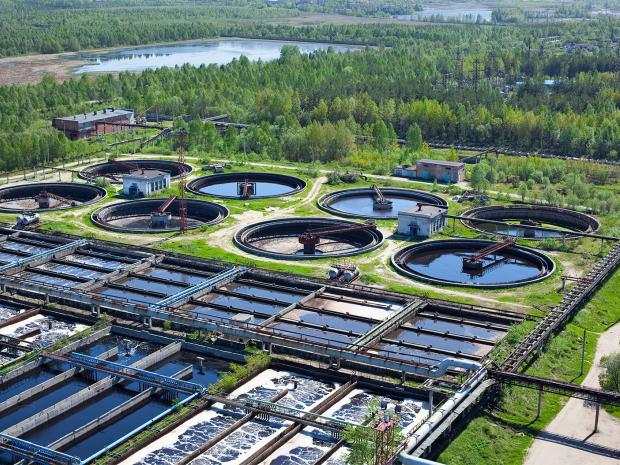
- Wastewater treatment facilities
- Sustainable drainage systems
Industrial & Commercial Construction
Germany’s strong industrial base creates demand for:
- Factories and production plants
- Warehouses and logistics hubs
- Commercial office developments

Advanced Technologies Transforming Civil Engineering in Germany
Germany is at the forefront of adopting modern engineering technologies, which are reshaping how projects are designed and executed.
Building Information Modeling (BIM)
BIM is increasingly mandatory for public infrastructure projects, improving collaboration, reducing errors, and enhancing efficiency.
Digital Twins
Digital replicas of physical infrastructure allow engineers to monitor performance, predict maintenance needs, and optimize operations.
Automation & Robotics
Construction automation is improving productivity, especially in repetitive and high-risk tasks.
Sustainable Materials
Innovations in low-carbon concrete, recycled materials, and energy-efficient designs are becoming industry standards.
Regulatory Environment & Compliance Standards
Germany has one of the most stringent regulatory frameworks in the world, ensuring high-quality and safe construction practices.
Key Regulations & Standards:
- DIN (German Institute for Standardization) standards
- Eurocodes for structural design
- Environmental and sustainability regulations
- Strict safety and quality control requirements
While these regulations can increase project complexity, they also ensure long-term reliability and global trust in German engineering.

Procurement & Tendering Process in Germany
Understanding how projects are awarded is crucial for companies looking to enter the German market.
Public Sector Projects
- Governed by transparent EU procurement rules
- Competitive bidding process
- Focus on cost, quality, and sustainability
Private Sector Projects
- More flexible procurement methods
- Direct partnerships and negotiated contracts
- Increasing use of design-build models
Public-Private Partnerships (PPP)
Germany increasingly uses PPP models for large infrastructure projects, creating opportunities for international firms.
Challenges Facing Civil Engineering Firms in Germany
While the market offers strong opportunities, it also presents several challenges:
Cost Inflation
Rising prices for materials, labor, and energy are impacting project budgets.
Skilled Labor Shortage
Germany lacks sufficient qualified engineers and construction workers, particularly in specialized roles.
Project Delays
Regulatory approvals and environmental assessments can extend project timelines.

Career Landscape: Civil Engineering Jobs in Germany
Germany continues to attract global engineering talent due to its strong job market and structured career growth.
Salary Insights (Approximate):
- Entry-level engineers: €45,000–€55,000/year
- Mid-level professionals: €60,000–€75,000/year
- Senior engineers/managers: €80,000+
Work Culture & Benefits:
- Strong emphasis on work-life balance
- Structured career progression
- Access to cutting-edge projects
How Engineering Maps Simplifies Your Search
Finding the right civil engineering firm in Germany can be complex due to the size and diversity of the market. Engineering Maps offers a modern, efficient solution.
Platform Advantages:
- Interactive map-based interface
- Location-specific company discovery
- Specialized filtering options
- Verified and updated company profiles
Instead of relying on outdated directories, users can visually explore and connect with top civil engineering firms across Germany.
Future Outlook: Where the German Market is Heading
Germany’s civil engineering sector is entering a phase of long-term transformation driven by sustainability and innovation.
What to Expect:
- Increased investment in green infrastructure
- Expansion of renewable energy projects
- Digitalization of construction processes
- Continued modernization of transport systems
The market is expected to maintain steady annual growth of 2–3%, supported by government funding and infrastructure demand.


Conclusion: Unlock Opportunities in Germany’s Civil Engineering Sector
Civil engineering firms in Germany operate within one of the most advanced and resilient construction markets in the world. With strong government support, a focus on sustainability, and continuous infrastructure investment, the sector offers immense opportunities for businesses, investors, and professionals alike.
By leveraging Engineering Maps, you can efficiently explore top civil engineering firms in Germany on the map, identify the right partners, and position yourself strategically within this highly competitive and rewarding market.
What qualifications are required for mechanical engineering jobs in Germany?
Most mechanical engineering jobs in Germany require at least a bachelor’s degree in mechanical engineering or a related field. A master’s degree can improve job prospects, especially for specialized or senior roles. Knowledge of German language and familiarity with industry tools like CAD software are also highly beneficial.
Why do many employers prefer candidates with German language skills?
While some multinational companies offer English-speaking roles, many employers prefer candidates with at least basic to intermediate German language skills. This helps with workplace communication, integration, and career growth.
Which cities in Germany offer the most mechanical engineering job opportunities?
Major industrial cities such as Munich, Stuttgart, Berlin, Hamburg, and Frankfurt offer a high number of mechanical engineering jobs, especially in automotive, manufacturing, and technology sectors.
How can Engineering Maps help me find mechanical engineering jobs near me?
Engineering Maps helps you discover local job opportunities by providing location-based listings, company insights, and interactive maps. This allows you to identify nearby employers and apply for roles that match your skills and career goals more efficiently.
What industries in Germany hire mechanical engineers the most?
Mechanical engineers in Germany are in high demand in industries such as automotive, aerospace, renewable energy, industrial manufacturing, and robotics. These sectors offer strong career growth, competitive salaries, and long-term stability.